
Here’s an overview:
- Introduction: Why Panama City?
- Historical Overview of Panama City
- Casco Viejo: The Old Quarter
- Panama Canal: A Modern Marvel
- Biomuseo: An Architectural Gem
- Amador Causeway: Scenic Waterfront
- Metropolitan Natural Park: Urban Jungle
- Ancon Hill: A Panoramic View
- Cinta Costera: Urban Promenade
- Panama Viejo: Original Settlement Ruins
- Soberania National Park: Wildlife Excursion
- Multiplaza Pacific Mall: Shopping Haven
- El Tornillo: Iconic Skyscraper
- Punta Culebra Nature Center
- Closing Thoughts and Travel Tips
Introduction: Why Panama City?
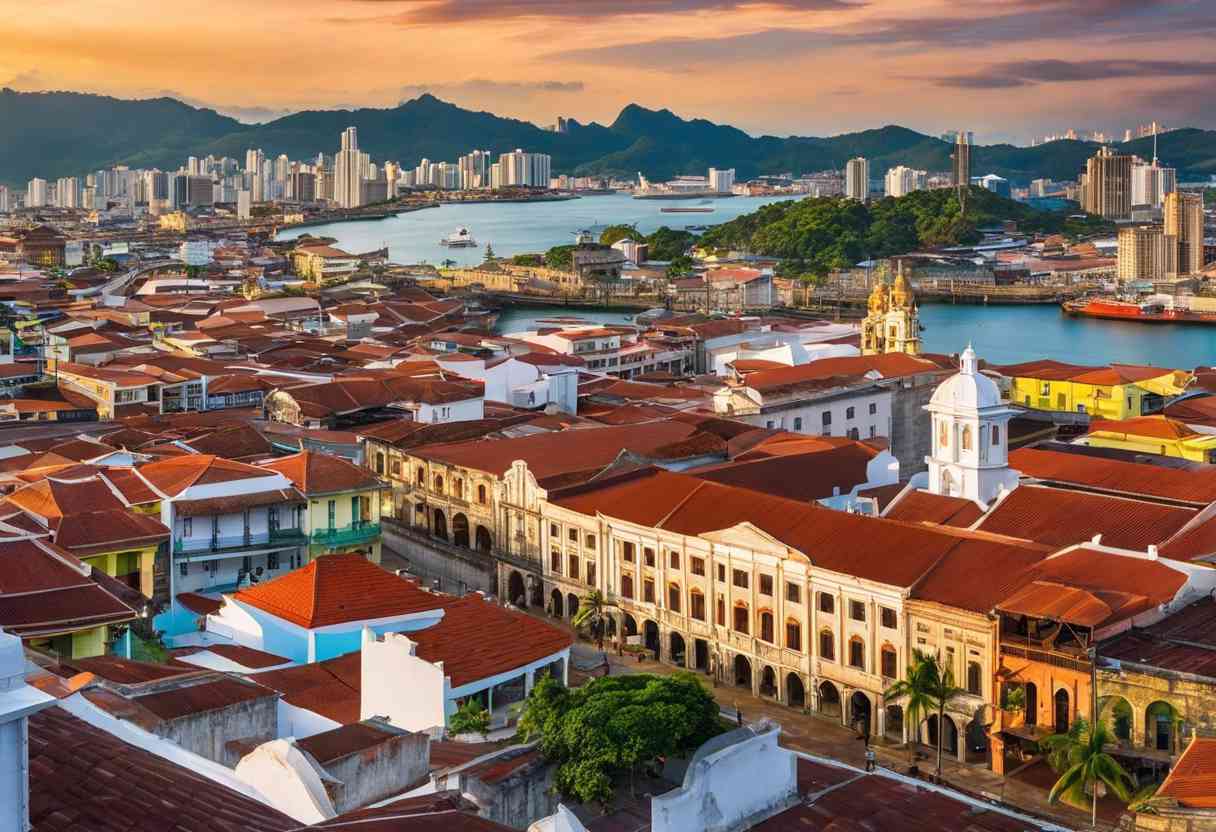
Panama City stands as a vibrant metropolis brimming with rich history, cultural diversity, and natural beauty. Nestled between the Pacific Ocean and tropical rainforests, this capital city offers a unique blend of modernity and tradition. Its strategic location as a hub for international commerce and finance has earned it the nickname “Crossroads of the Americas.” The city’s skyline features stunning skyscrapers juxtaposed with colonial-era architecture, creating a captivating visual experience for visitors.
Key Highlights
-
Historic Significance: Panama City’s historical significance is embodied in the Casco Viejo district, a Unesco World Heritage site. This charming area offers cobblestone streets, boutique hotels, and centuries-old churches. It is a testament to the city’s colonial past and provides a window into its evolution over the years.
-
Economic Powerhouse: As a major economic center, Panama City plays a crucial role in global trade, largely thanks to the Panama Canal. This engineering marvel is not only a lifeline for international shipping but also a popular tourist attraction. Visitors can witness massive ships navigating the canal locks and learn about the canal’s history and operations.
-
Cultural Melting Pot: The city’s diverse population contributes to its rich cultural tapestry. Panama City offers a mix of Afro-Caribbean, Native, and Spanish influences, which are reflected in its food, festivals, and traditions. From vibrant street markets to high-end restaurants, gastronomes can delight in a wide array of culinary experiences.
-
Natural Wonders: Beyond the urban hustle, Panama City boasts close proximity to natural wonders. The Metropolitan Natural Park offers hiking trails and panoramic views of the city, while the nearby Soberanía National Park provides opportunities for bird watching and encounters with exotic wildlife.
Visiting Panama City
-
Accessibility: Panama City’s Tocumen International Airport (PTY) is one of the busiest in Central America, offering direct flights to numerous destinations worldwide. The city’s efficient public transportation system, including the Metro, makes it easy for tourists to explore.
-
Climate: With its tropical climate, Panama City experiences warm temperatures year-round. The dry season from December to April is the best time to visit, offering sunny days ideal for sightseeing and outdoor activities.
-
Safety: Panama City is generally considered safe for tourists, although it’s advisable to take standard precautions. Travelers should stay in well-populated areas and avoid displaying valuables in public.
Panama City truly offers a dynamic and enriching travel experience, with its unique blend of historical heritage, economic significance, and natural beauty attracting visitors from around the globe.
Historical Overview of Panama City
Panama City, the capital of Panama, boasts a rich and diverse history that greatly influences its present-day allure. Founded on August 15, 1519, by Spanish conquistador Pedro Arias Dávila, Panama City rapidly became a pivotal center for trade and commerce. Its strategic location on the Pacific coast made it an essential stop on the Spanish treasure route, connecting the riches of the Inca Empire in Peru to Spain.
Early Colonial Period
- Establishment and Growth: The early 16th century marked Panama City’s establishment, quickly growing prosperous due to its role in the transshipment of gold and silver.
- Destruction and Relocation: In 1671, the city suffered a catastrophic attack by the infamous pirate Henry Morgan. The subsequent destruction led to the relocation and establishment of a new city a few miles west, known today as Casco Viejo (Old Town).
The New Panama City (Casco Viejo)
- Reconstruction Efforts: Casco Viejo, built in 1673, served as a fortified city designed to withstand future pirate attacks. This area now stands as a UNESCO World Heritage Site due to its well-preserved colonial architecture.
- Economic Rejuvenation: By the 18th century, the city witnessed a resurgence, driven by advancements in trade and the prominence of the sherry wine industry.
Independence and Growth
- Separation from Spain: Achieving independence from Spain in 1821, Panama City joined Gran Colombia before eventually becoming a part of an independent Republic of Panama in 1903.
- The Panama Canal: The construction of the Panama Canal, completed in 1914, heralded a new era of economic and geopolitical significance for the city. It remains a key driver of Panama’s economy and an enduring symbol of human engineering.
Modern Developments
- Architectural Fusion: The city’s skyline melds historical structures with modern skyscrapers, showcasing an architectural blend that narrates its evolution over centuries.
- Cultural Melting Pot: Today, Panama City thrives as a cultural melting pot, with influences from indigenous, African, and European communities. The city hosts numerous festivals and events that celebrate its multifaceted heritage.
Panama City’s compelling historical trajectory from a strategic colonial outpost to a dynamic metropolis makes it an essential destination for travelers seeking to explore its unique heritage.
Casco Viejo: The Old Quarter
Casco Viejo, also known as Casco Antiguo, is the historic district and one of the must-see attractions in Panama City, Panama. This UNESCO World Heritage Site showcases the rich cultural and architectural heritage of the city, having been established in 1673. Visitors will find an eclectic mix of colonial buildings, cobblestone streets, and a vibrant atmosphere.
Architectural Marvels
- San José Church: Known for its intricately carved gold altar, San José Church is a splendid example of Panama’s colonial architecture.
- The Metropolitan Cathedral: A historic cathedral that combines Spanish colonial design with modern adaptations.
- Palacio de las Garzas: The official residence of Panama’s President, this palace exemplifies colonial architecture with a touch of elegance.
Plazas and Streets
- Plaza Mayor: The heart of Casco Viejo, surrounded by important landmarks including the Metropolitan Cathedral and the Municipal Palace.
- Plaza Bolívar: A picturesque square featuring a statue of Simón Bolívar and surrounded by historic buildings like the Bolivar Palace.
- Calle Úrsula: A street lined with vibrant murals and street art, showcasing the local culture and artistic expressions.
Museums and Cultural Spots
- Panama Canal Museum: A museum dedicated to the history and construction of the Panama Canal, located in a historic building.
- Museum of History of Panama: This museum provides an insightful look into Panama’s past, from pre-Columbian times to modern day.
- American Trade Hotel: Originally a commercial building, it’s now a luxury hotel offering a blend of history and modern comfort.
Dining and Nightlife
Casco Viejo is famous for its bustling nightlife and diverse array of dining options.
- Restaurants and Cafes: From traditional Panamanian cuisine at Las Clementinas to international fare at CasaCasco, the district offers a culinary journey for every palate.
- Pubs and Bars: Rooftop bars like Tantalo have become popular spots for both locals and tourists seeking panoramic views of the city and bay.
- Artisan Shops and Boutiques: Small shops dotting the quarter offer unique, local handicrafts such as handmade hats, jewelry, and indigenous crafts.
Vibrant Markets
- Mercado de Mariscos: A bustling seafood market offering fresh catch from local fishermen, one of the best places to experience authentic Panamanian seafood dishes.
- Plaza 5 de Mayo: A lively market where visitors can find local produce, crafts, and food stalls selling traditional snacks.
By exploring Casco Viejo, visitors can immerse themselves in the essence of Panama City’s history and culture, making it an indispensable part of any travel itinerary.
Panama Canal: A Modern Marvel
The Panama Canal stands as a pinnacle of engineering within Panama City. This man-made waterway, connecting the Atlantic and Pacific Oceans, has been instrumental in global shipping since its completion in 1914. Visitors can witness this marvel at the Miraflores Visitor Center, where interactive exhibits and observation decks offer a comprehensive view of the canal’s operations.
Key Features
- Miraflores Locks: Visitors can view massive ships navigating through locks, elevating to different water levels.
- Interactive Exhibits: The visitor center offers exhibits detailing the canal’s history, construction, and its pivotal role in global trade.
- Observation Decks: Many observation points provide panoramic vistas of the canal and surrounding area.
Historical Significance
The Panama Canal’s construction was prompted by the need for a maritime shortcut between the Atlantic and Pacific Oceans. Initiated by the French and completed by the United States, it remains one of the most ambitious feats of engineering to date. Its history is fraught with challenges, including massive human effort and loss, making its existence all the more remarkable.
Visitor Experience
Guests should plan for at least half a day to fully explore the facilities and exhibits. Key highlights include:
- Film Screenings: A short documentary is shown in the visitor center’s theater, providing historical context and detailed insights.
- Gift Shop: A well-stocked shop offers books, souvenirs, and memorabilia.
- Guided Tours: Knowledgeable guides are available, elaborating on the canal’s intricacies and historical episodes.
Practical Information
- Admission Fees: Fees are reasonable, with discounts available for children and seniors.
- Opening Hours: Typically open from 9 AM to 5 PM, but hours may vary by season.
- Public Transport: Easily accessible by bus and taxi, making it convenient for tourists.
Tips for Visitors
- Early Arrival: Early visits can mean fewer crowds and better photo opportunities.
- Weather Considerations: Panama City’s tropical climate can be unpredictable; carrying an umbrella or raincoat is advisable.
- Refreshments: Onsite cafeterias provide refreshments, ideal for a midday break.
Whether an engineer, history buff, or curious traveler, the Panama Canal promises a captivating experience, making it a must-see attraction within any Panama City itinerary.
Biomuseo: An Architectural Gem
The Biomuseo, located along Panama City’s Amador Causeway, stands out not only as an exploration of Panama’s rich biodiversity but also as an architectural marvel. Designed by renowned architect Frank Gehry, this vibrant building represents his first venture into Latin America. Visitors are immediately struck by the museum’s colorful and dynamic structure, which is a reflection of Panama’s diverse ecosystem.
Entering the museum, one is greeted by displays that showcase the geological formation of the Panama Isthmus, an event that bridged North and South America approximately 3 million years ago. This historical significance is made palpable through interactive exhibits that illustrate how this land bridge affected global biodiversity patterns.
Highlights
-
Exhibition Halls
- Panamarama: A stunning three-story-high projection space that immerses visitors in Panama’s varied habitats.
- Building the Bridge: Details the geological and biological formation of the isthmus.
- The Living Web: Exhibits the intricacies of Panama’s ecosystems and their global impact.
- The Human Path: Explores human culture and migration in the region.
-
Outdoor Spaces
- The museum is surrounded by beautifully designed gardens that feature native plant species. These gardens offer tranquil walkways with scenic views of the Pacific Ocean, providing both a place for contemplation and an extension of the museum’s indoor exhibits.
Architectural Features
-
Design and Structure
- The Biomuseo is characterized by its bold, colorful roofline and asymmetrical form. Gehry’s use of bright colors mirrors the vibrant flora and fauna of Panama.
- The museum’s roof is structured in such a way that it aims to resemble a forest canopy, contributing to the visitor’s sensory experience.
-
Materials
- Gehry used a combination of concrete, steel, and glass to create a fluid and dynamic space. Large windows invite natural light, enhancing the vibrancy of the exhibit colors and providing views of the surrounding seascape.
Visitor Information
-
Location
- The Biomuseo is conveniently located on the Amador Causeway, making it easily accessible from central Panama City.
-
Tickets and Hours
- Tickets can be purchased online or at the door. The museum is typically open from Tuesday to Sunday, with special events often held in the evenings.
Educational Programs
- The museum offers various educational programs aimed at all age groups. Workshops, guided tours, and interactive activities are designed to deepen the understanding of Panama’s unique biodiversity. Schools often take advantage of these resources for field trips, making the Biomuseo not just a tourist attraction, but a center for learning and scientific inquiry.
The Biomuseo is more than just a museum; it is an architectural gem that celebrates Panama’s critical role in the natural world.
Amador Causeway: Scenic Waterfront
Nestled along the entrance of the Panama Canal, the Amador Causeway is a picturesque waterfront that offers breathtaking views and a variety of recreational activities. Built from rocks excavated during the construction of the canal, this iconic strip connects three small islands – Naos, Perico, and Flamenco – to the mainland, creating a scenic drive that is popular among tourists and locals alike.
Key Attractions
- Spectacular Views: The causeway provides unparalleled panoramic vistas of the Panama City skyline, the Pacific Ocean, and vessels navigating the canal. On clear days, visitors can enjoy stunning sunsets that paint the sky in vibrant hues.
- Biomuseo: Designed by renowned architect Frank Gehry, the Biomuseo is a must-visit attraction located on the causeway. The museum’s unique structure and fascinating exhibits narrate Panama’s rich biodiversity and geological history.
- Recreational Activities: The Amador Causeway is an ideal spot for outdoor enthusiasts. Visitors can rent bicycles, rollerskates, or take a leisurely stroll along the broad walkways. The area is also popular for jogging and casual sightseeing.
Dining and Entertainment
- Waterfront Restaurants: Offering a variety of cuisines, the waterfront restaurants along the causeway provide delightful dining experiences with superb views. Fresh seafood is particularly recommended, with many establishments serving local dishes that capture the essence of Panamanian flavors.
- Shopping and Souvenirs: The causeway features several boutique shops and kiosks where visitors can purchase unique souvenirs, local crafts, and gifts. The vibrant atmosphere makes for an enjoyable shopping journey.
- Nightlife: As dusk falls, the causeway transforms with lively bars and clubs that offer vibrant nightlife. Live music and cultural performances often engage visitors in the local spirit.
Points of Interest
- Marine Exhibits: The Marine Exhibition Center of the Smithsonian Tropical Research Institute offers educational exhibits about marine life and ongoing research in tropical ecology.
- Marina: Yachts and sailboats docked at the Flamenco Marina add to the charm of the causeway, epitomizing its cosmopolitan allure.
Constructed to connect visitors with the marvels of the city’s natural and urban landscapes, the Amador Causeway is a quintessential part of any Panama City itinerary. The juxtaposition of modern attractions with serene natural beauty ensures a memorable experience for all who visit.
Metropolitan Natural Park: Urban Jungle
Nestled within the bustling confines of Panama City, the Metropolitan Natural Park offers an unparalleled blend of cityscape and natural splendor. This urban jungle, a 265-hectare protected area, provides a haven for both biodiversity and adventure enthusiasts.
Key Highlights:
- Rich Biodiversity: The park is home to over 284 bird species, 45 mammals, and 36 different types of reptiles and amphibians. Common sightings include toucans, sloths, and the elusive agouti.
- Extensive Trail Network: Seven well-marked trails totaling more than 5 kilometers allow visitors to explore different ecosystems within the park. Both novice hikers and seasoned trekkers can find a path to suit their experience level.
- Spectacular Views: Head to the Cerro Cedro trail for a panoramic viewpoint that offers sweeping vistas of Panama City’s skyline juxtaposed against the lush greenery of the rainforest.
Flora and Fauna:
- Trees and Plants: The park boasts a variety of native species including the towering Panama tree and colorful orchids.
- Wildlife Encounters: One can expect random yet thrilling encounters with animals such as Geoffroy’s tamarins, anteaters, and iguanas.
Facilities:
- Visitor Centers: The park maintains an informative visitor center where guides provide educational sessions about the park’s ecosystems.
- Picnic Areas: Designated spots allow families and friends to enjoy a meal surrounded by nature.
Activities:
- Bird Watching: A prime activity facilitated by the park’s rich avian diversity. Bird watchers can glimpse species like the blue-crowned motmot and green heron.
- Educational Tours: Guided tours offer in-depth knowledge about the flora and fauna, making these an ideal choice for school groups and nature enthusiasts.
Accessibility:
Convenience is a cornerstone of the Metropolitan Natural Park. It is located within a short driving distance from the city center, making it easily accessible through public transportation or a quick taxi ride.
Conservation Efforts:
The park plays a critical role in urban conservation, serving as a vital green lung for Panama City. Its management focuses on sustainable practices, ensuring the preservation of its diverse habitats.
By offering a diverse range of activities and sights within a close proximity to Panama City, the Metropolitan Natural Park stands as a must-visit destination for travelers looking to experience nature without straying far from urban conveniences. Whether one is an adventurer, wildlife enthusiast, or casual visitor, the park provides a little something for everyone.
Ancon Hill: A Panoramic View
Ancon Hill stands as a premier feature in the skyline of Panama City, Panama. This prominent natural landmark reaches 654 feet above sea level, offering an unparalleled panoramic view of the cityscape, the Panama Canal, and the lush rainforest. Known for its vital historical significance, Ancon Hill was once under U.S. jurisdiction until the turnover of the Canal Zone.
Tourists and locals alike find Ancon Hill a haven for an array of activities. Hiking trails leading to the summit provide both a physical challenge and an educational experience. Along the trail:
- Historic Markers: Plaques and markers detail Ancon Hill’s rich history, from its strategic military importance to its role in the construction of the Panama Canal.
- Wildlife Spotting: Enthusiasts often spot native wildlife such as sloths, armadillos, and various bird species, making the hike a veritable eco-tour.
The peak is adorned with the grand Panamanian flag, a symbol of national pride visible from various points across the city. Observing this from the summit gives a profound sense of place and history. At the top, visitors are treated to:
- Viewing Platforms: Several strategically placed viewing platforms offer unobstructed vistas.
- Photographic Opportunities: The panoramic view provides perfect backdrops for photography, capturing the blend of modern urban development and natural beauty.
Additionally, Ancon Hill serves as an ideal vantage point to watch ships navigate through the Panama Canal, enhancing its touristic appeal. The site is typically accessible from early morning to late evening, allowing visitors to experience both sunrise and sunset views.
For the optimal visitor experience, it’s recommended to:
- Arrive Early: To avoid the midday heat and heavy foot traffic.
- Bring Essentials: Items such as water, sunscreen, and a hat are essential for the hike.
- Wear Appropriate Footwear: The trail can be steep and requires sturdy walking shoes.
Ancon Hill’s combination of historical significance, natural beauty, and scenic views makes it a must-see attraction for anyone exploring Panama City.
Cinta Costera: Urban Promenade
Cinta Costera is Panama City’s premier urban promenade, offering a vibrant experience for both locals and tourists. This expansive coastal strip, flanking the renowned Avenida Balboa, provides a seamless blend of natural beauty and urban amenities. The promenade is popular for its picturesque views of the Pacific Ocean, making it an idyllic setting for various recreational activities and leisurely strolls.
Key Features
- Scenic Pathways: The well-maintained pathways cater to joggers, cyclists, and walkers. These paths stretch across several kilometers, giving visitors an extensive space to exercise or relax while enjoying the stunning oceanic backdrop.
- Green Spaces: It features lush landscapes, punctuated by palm trees and ornamental gardens, offering respite and shade. These green areas enhance the aesthetic appeal and are ideal for picnics or reading a book.
- Monuments and Art Installations: Along the promenade, one can find significant monuments and contemporary art installations. The most notable among them is the Monumental Flag, a towering Panamanian flag symbolizing national pride.
- Playgrounds and Sports Facilities: Families with children often frequent Cinta Costera for its ample playgrounds. The sports facilities, including basketball and volleyball courts, attract enthusiasts and promote active lifestyles.
- Waterfront Views: The proximity to the waterfront allows for breathtaking views, particularly during sunrise and sunset. The marine breezes and the rhythmic waves create a serene ambiance.
Amenities
- Bicycle Rentals: Various rental stations provide bicycles, making it convenient for tourists to explore the promenade and its surroundings.
- Dining Options: Multiple food kiosks and nearby restaurants offer a variety of culinary delights. From local street food to gourmet espresso, there is something for everyone.
- Restrooms and Seating Areas: Strategically placed restrooms and benches ensure comfort and convenience, making extended visits enjoyable.
Events and Festivals
Cinta Costera is also a hub for local events and international festivals. It hosts several cultural events, marathons, and concerts, transforming the promenade into a lively celebration of Panamanian culture. During such events, the area is bustling with excitement, drawing large crowds and offering unique experiences.
“Cinta Costera exemplifies urban design that balances functionality with natural beauty, making it an essential stop for visitors.”
Accessibility is another significant advantage. Being centrally located, it is easily reachable from major hotels and tourist spots in Panama City. With its blend of recreation, culture, and nature, Cinta Costera stands out as a must-visit destination for any travel itinerary in Panama City.
Panama Viejo: Original Settlement Ruins
Panama Viejo, the original settlement of Panama City, serves as a substantial historical and cultural landmark. Established in 1519, it stands as one of the oldest European settlements on the Pacific coast. The ruins offer an authentic glimpse into the early colonial architecture and societal structures of the 16th century.
Historical Significance
- Founding Date: Established in 1519 by Spanish conquistadors.
- UNESCO World Heritage Site: Recognized in 1997, highlighting its global cultural importance.
- Historical Events: Survived attacks from pirates, including the notorious Henry Morgan in 1671.
Architectural Features
Visitors can explore a range of architectural remnants, reflecting Spanish colonial styles and indigenous influences. Key structures include:
- Tower of the Cathedral: This iconic tower provides panoramic views of the site and the modern cityscape.
- Convent of the Conception: Now in ruins, this convent was once a grand complex.
- Puente del Rey: A remarkable stone bridge, showcasing early engineering skills.
- Casa Alarcón: A notable example of domestic architecture from the period.
Visitor Information
Panama Viejo offers a dedicated visitor center, providing detailed historical context and guided tours.
- Operating Hours: Typically open from 8:30 AM to 4:30 PM.
- Entrance Fees: Visitors are advised to check the official website for updated pricing.
- Guided Tours: Available in several languages, offering comprehensive insights.
Exhibits and Museum
The onsite museum houses artifacts unearthed during archaeological excavations. Exhibits include:
- Pre-Columbian artifacts.
- Colonial-era tools and pottery.
- Detailed models of the original settlement.
Conservation Efforts
Ongoing conservation projects aim to preserve the site’s structural integrity and historical value. These efforts are supported by both local and international organizations.
Nearby Attractions
For a well-rounded visit, consider exploring the nearby attractions:
- Multiplaza Pacific Mall: Offers modern shopping and dining experiences.
- Cinta Costera: A scenic coastal belt, perfect for a leisurely stroll.
Panama Viejo remains a must-see attraction for any visitor interested in the rich tapestry of Panama City’s history and culture.
Soberania National Park: Wildlife Excursion
Soberania National Park offers an unparalleled opportunity to experience Panama’s rich biodiversity and natural beauty. Situated just a short drive from the bustling streets of Panama City, this park provides a lush retreat teeming with wildlife, making it a must-see attraction on any travel itinerary.
Unique Flora and Fauna
A key feature of Soberania National Park is its diverse array of plant and animal species. Visitors can encounter:
- Birds: Over 525 bird species, making it a paradise for birdwatchers. Highlights include the harpy eagle, blue cotinga, and keel-billed toucan.
- Mammals: The park is home to over 100 mammal species, including jaguars, ocelots, and howler monkeys.
- Reptiles and Amphibians: Discover a variety of reptiles and amphibians, from the colorful poison dart frog to the elusive caiman.
Popular Trails
Several well-maintained trails offer different levels of difficulty and diverse viewing experiences:
- Pipeline Road: Renowned for birdwatching, this trail features 17 kilometers of prime observation spots.
- Camino de Cruces: A historic trail dating back to Spanish colonial times, perfect for those interested in both history and nature.
- El Charco Trail: A shorter, easier trail ideal for families, leading to a beautiful natural pool.
Guided Tours and Activities
Soberania National Park provides numerous guided tour options for all interests:
- Birdwatching Tours: Expert guides help visitors spot rare and exotic bird species.
- Night Tours: For those seeking adventure, night tours offer the chance to observe nocturnal creatures in their natural habitat.
- Boat Tours: Experience the Chagres River and its surrounding ecosystems on guided boat tours.
Essential Information
Before heading to Soberania National Park, visitors should take note of the following:
- Entrance Fees: A nominal fee is required for park access, which helps with conservation efforts.
- Best Time to Visit: The dry season, from December to April, offers the best conditions for wildlife viewing and hiking.
- Safety Tips: It’s advisable to wear sturdy shoes, bring insect repellent, and stay hydrated while exploring the trails.
In sum, Soberania National Park is a highlight for any nature enthusiast visiting Panama City. Its rich wildlife, scenic trails, and guided activities offer a captivating escape into the natural world.
Multiplaza Pacific Mall: Shopping Haven
Multiplaza Pacific Mall stands as a premier shopping destination in Panama City, Panama, offering an unparalleled retail experience to locals and tourists alike. Strategically located in the heart of the city, this expansive mall caters to diverse shopping preferences with its wide array of stores and services.
Retail Diversity
High-end Fashion Boutiques: Luxury shoppers will find renowned brands such as Louis Vuitton, Michael Kors, and Gucci.
International Retailers: Popular global brands like Zara, H&M, and Banana Republic have well-stocked outlets here.
Local Designers: Shoppers can also explore Panamanian designs, reflecting vibrant local fashion trends.
Dining Options
Multiplaza Pacific Mall hosts an impressive selection of eateries to satisfy any culinary craving:
Restaurants: Stylish sit-down establishments including Tony Roma’s and Benihana offer a fine dining experience.
Cafés: Cozy coffee shops such as Starbucks and Coffee Beanery are perfect for a quick caffeine fix.
Food Court: A variety of fast-food chains and snack options provide quick bites on the go.
Entertainment Facilities
Entertainment options contribute to making Multiplaza Pacific Mall more than just a shopping center:
Cinema: The state-of-the-art Cinepolis offers the latest film releases for an enjoyable movie-going experience.
Arcade: Game enthusiasts can spend time in the entertainment zone packed with a range of arcade games.
Services and Amenities
Convenience and comfort are prioritized through numerous services provided on-site:
Parking: Ample parking space inclusive of valet services ensures hassle-free visits.
Wi-Fi: Complimentary Wi-Fi access is available throughout the mall premises.
Customer Service: Information desks are strategically placed to assist with inquiries and directions.
Future Shopping Events
Visitors can look forward to various events and promotions throughout the year:
Sales: Seasonal sales offer substantial discounts across numerous stores.
Exhibitions: Fashion shows and product launch events frequently enliven the mall’s atmosphere.
Festive Promotions: Special holiday promotions add to the festive allure of the shopping experience.
Multiplaza Pacific Mall not only meets but exceeds the expectations of even the most discerning shoppers.
El Tornillo: Iconic Skyscraper
El Tornillo, also known as the F&F Tower, stands as a prime example of innovative architecture in Panama City, Panama. A visit to this iconic skyscraper is essential for any travel itinerary. Its unique spiral design has captivated both locals and tourists alike, showcasing modern engineering marvels.
Architectural Features
- Design: The tower’s twisting form creates an impression of movement, setting it apart from other buildings in the city.
- Height: Soaring to a height of 242 meters, El Tornillo comprises 52 stories, making it one of the tallest buildings in Panama.
- Materials: The structure utilizes a combination of glass and steel, contributing to its sleek and contemporary appearance.
Location
El Tornillo is strategically situated in the Obarrio district, a major financial hub in Panama City. Its central location makes it easily accessible from various parts of the city. The tower serves as a landmark for visitors exploring the bustling area.
Accessibility
The skyscraper is well connected by public transport, with several bus routes and metro lines converging in the vicinity. For those driving, ample parking facilities are available nearby. Additionally, its proximity to major hotels and shopping centers allows for convenient travel planning.
Visitor Experience
- Observation Deck: While El Tornillo does not have a public observation deck, the surrounding area offers multiple vantage points for taking in panoramic views of the building.
- Photography: The tower’s distinctive shape makes it a popular subject for photographers. Early morning or late afternoon light best highlights its architectural details.
- Dining and Shopping: The nearby streets are lined with a variety of dining options and boutique shops, providing visitors with rich culinary and shopping experiences.
Nearby Attractions
- Cinta Costera: A short drive away, this waterfront promenade features stunning views of the city’s skyline, including El Tornillo.
- Casco Viejo: Panama City’s historic district is also easily accessible, offering a contrasting experience of colonial architecture and cultural landmarks.
Sustainability
El Tornillo incorporates several eco-friendly elements, such as energy-efficient systems and sustainable building materials. Its design reflects a commitment to environmental responsibility, aligning with broader urban sustainability goals.
Cultural Impact
El Tornillo symbolizes the rapid modernization and growth of Panama City. As an architectural icon, it represents the blending of innovation and aesthetics, marking Panama as a forward-thinking city in the region.
Punta Culebra Nature Center
For those seeking an enriching experience in Panama City, the Punta Culebra Nature Center is a must-visit destination. Managed by the Smithsonian Tropical Research Institute, this fascinating site offers a unique opportunity to explore Panama’s biodiversity. Located on the Amador Causeway, it provides an ideal setting to discover marine life, tropical forests, and more.
Key Highlights
-
Marine Life Exhibits: The Nature Center boasts several interactive and educational exhibits, featuring diverse marine creatures native to the area. Visitors can explore touch tanks that house starfish, sea cucumbers, and other fascinating species.
-
Wetlands Trail: The Wetlands Trail offers a walk through lush mangroves. This trail provides an insightful look into the ecological importance of these habitats and their role in supporting a variety of wildlife.
-
Open-Air Spaces: Punta Culebra is primarily an open-air museum, making it a breath of fresh air away from the city bustle. The scenic views of the Pacific Ocean enhance the overall experience, providing serene vistas for visitors.
-
Guided Tours: Knowledgeable guides are available to lead tours and provide an in-depth understanding of the exhibits and the research conducted here. This service ensures that visitors leave with a comprehensive grasp of the local ecology.
Educational Programs
-
Family-Friendly Activities: The center offers educational programs suitable for all age groups, including hands-on activities that engage children and foster a love for nature.
-
School Programs: Specially designed for students, these programs include educational workshops and guided tours that align with school curricula, making learning both fun and informative.
Why Visit?
Visiting Punta Culebra Nature Center is particularly beneficial for those interested in marine biology, tropical ecosystems, and conservation efforts. The center not only showcases the rich biodiversity of Panama but also plays a crucial role in educating the public about sustainable practices and the importance of protecting natural habitats.
By integrating interactive exhibits, guided tours, and educational programs, Punta Culebra Nature Center provides visitors with a holistic and immersive experience. It’s an essential stop for anyone looking to deepen their understanding of Panama’s natural beauty while contributing to ongoing conservation efforts.
Closing Thoughts and Travel Tips
Travelers venturing to Panama City, Panama, will discover a wealth of attractions that capture the culture, history, and natural beauty of the region. Here are some key tips to ensure a smooth and enjoyable visit.
Essential Travel Tips
-
Best Time to Visit: The dry season, from mid-December to mid-April, is the optimal time for travel. This period offers the best weather for outdoor activities and sightseeing.
-
Local Currency: Although the United States Dollar (USD) is widely used, Panama has its own currency, the Balboa. Most transactions can be conducted using USD, making it convenient for American tourists.
-
Language: Spanish is the official language. While many locals in the tourism industry speak English, it is advisable to learn some basic Spanish phrases.
-
Safety Precautions:
- Be mindful of your belongings, especially in crowded areas.
- Only use registered taxis or ride-sharing services like Uber.
- Avoid wandering alone at night in unfamiliar neighborhoods.
Cultural Etiquette
- Greetings: Panamanians are courteous and formal in their greetings. A simple “Buenos días” in the morning or “Buenas tardes” in the afternoon is appreciated.
- Dress Code: Casual, lightweight clothing is suitable for the tropical climate, but dress modestly when visiting religious sites or formal establishments.
- Tipping: Tipping is customary but not obligatory. A 10% tip is generally appreciated in restaurants and for other services.
Health and Wellness
- Hydration: The tropical climate can be dehydrating. Always carry a bottle of water and stay hydrated throughout the day.
- Sun Protection: The sun can be intense. Sunscreen, hats, and sunglasses are essential.
- Travel Insurance: Comprehensive travel insurance is recommended for medical emergencies or unforeseen circumstances.
Transportation Tips
- Public Transport: Buses and the Metro are reliable and economical modes of transportation in Panama City.
- Car Rentals: If planning to explore outside the city, renting a car can offer greater flexibility.
- Walking: Many attractions in the city are within walking distance of each other. Comfortable walking shoes are a must.
Personal Preparation
- Documentation: Ensure your passport is valid for at least six months beyond your travel dates. Keep digital and physical copies of important documents.
- Local SIM Card: Consider purchasing a local SIM card for affordable data and communication.
- Emergency Numbers: Familiarize yourself with local emergency numbers and the location of your embassy.
Utilizing these travel tips can significantly enhance one’s experience in Panama City, ensuring that every moment is well spent. Engaging with the local culture, practices, and environment will deepen appreciation for this vibrant destination.