
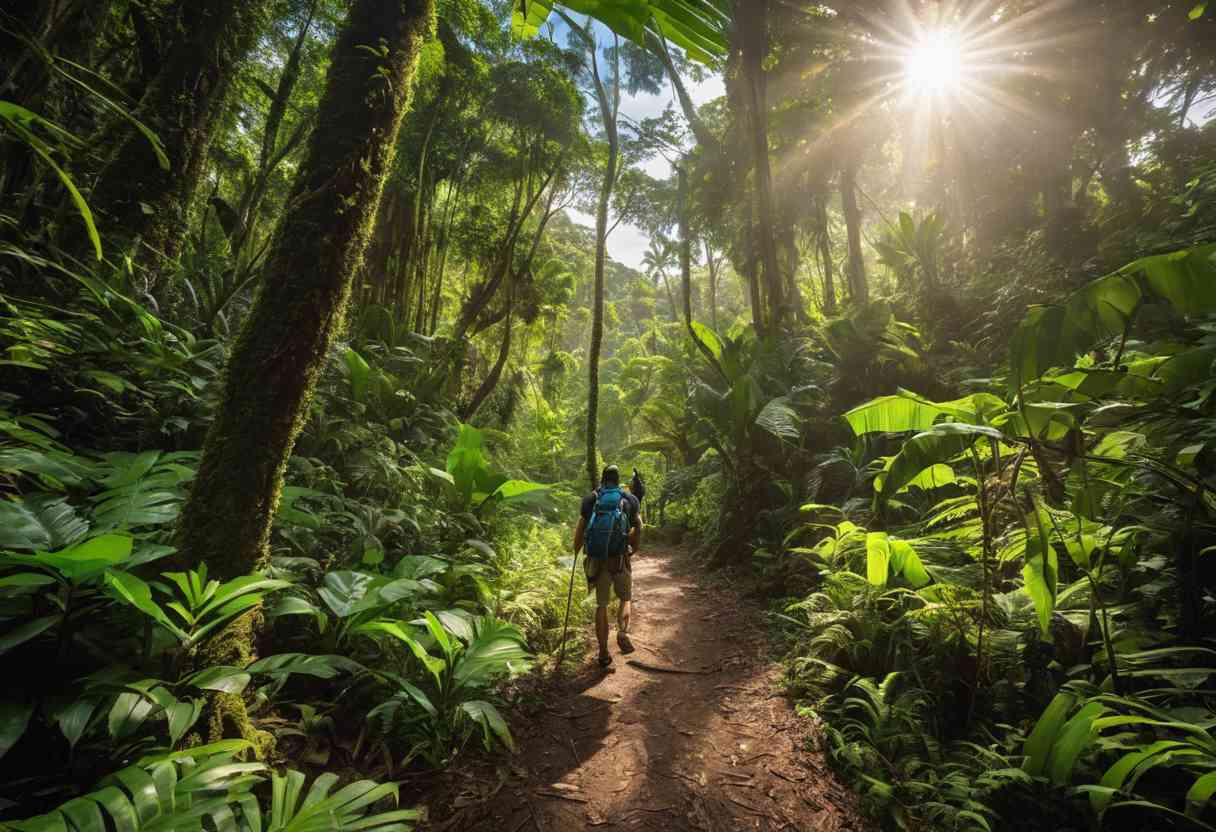
Here’s an overview:
- [Introduction to Panama’s Scenic Beauty](#introduction-to-panama’s-scenic-beauty)
- [Understanding Panama’s Diverse Ecosystems](#understanding-panama’s-diverse-ecosystems)
- Essential Hiking Tips for First-Time Visitors to Panama
- Hiking Through Soberania National Park
- Exploring the Cloud Forests of Boquete
- Conquering the Baru Volcano: A Hiker’s Challenge
- Discovering the Trails of Metropolitan Natural Park
- The Serene Paths of Camino de Cruces National Park
- Adventuring Through La Amistad International Park
- Navigating the Trails of Coiba National Park
- Birdwatching Treks at Punta Patino Nature Reserve
- Hiking and History at Altos de Campana National Park
- Tropical Rainforest Treks in Darien National Park
- Conclusion: Embracing the Natural Wonders of Panama
Introduction to Panama’s Scenic Beauty
Panama, a jewel nestled in the heart of Latin America, boasts a stunning array of natural landscapes that lure adventurers from around the globe. A paradise for nature lovers, Panama’s diverse ecosystems include pristine beaches, lush rainforests, and rolling highlands. The country’s unique geographic position allows for an impressive range of biodiversity, making it a prime destination for eco-tourism and hiking enthusiasts.
Natural Diversity
Panama’s natural diversity is nothing short of remarkable. The nation’s various ecosystems provide a habitat for an extraordinary range of flora and fauna:
- Beaches and Coastlines: Panama is home to hundreds of miles of coastline along both the Pacific Ocean and the Caribbean Sea. These beaches are framed by coral reefs, mangroves, and turquoise waters.
- Rainforests: Rich, dense rainforests cover swathes of Panama, particularly in regions like Darien and Chiriquí, sheltering countless species of plants and animals.
- Highlands and Mountain Ranges: The rugged terrain of Panama’s highlands, especially in areas such as Boquete and El Valle de Anton, offers stunning vistas and cooler climates.
Climate
The climate in Panama enhances its allure as a hiking destination. The tropical maritime climate creates lush greenery throughout the year. However, the dry season, which runs from December to April, is particularly favorable for hiking, offering less humidity and clearer skies.
Flora and Fauna
Panama’s natural beauty is accentuated by its extensive biodiversity:
- Flora: With more than 10,000 plant species, including numerous orchids, ferns, and tropical hardwoods, Panama’s vegetation is both varied and lush.
- Fauna: Wildlife is abundant, with well over 900 bird species, including the resplendent quetzal, as well as mammals like jaguars, sloths, and capuchin monkeys.
National Parks and Reserves
Panama is committed to preserving its natural beauty, as evidenced by its numerous national parks and protected areas:
- Soberanía National Park: Located near the Panama Canal, it is renowned for birdwatching and its lush forest trails.
- Darien National Park: This UNESCO World Heritage site is a haven for biodiversity and a prime location for wilderness hikes.
- La Amistad International Park: Spanning the border with Costa Rica, this park offers a mix of highland forests and exceptional biodiversity.
Panama’s scenic beauty is mesmerizing, offering a blend of captivating landscapes to explore, and a rich tapestry of ecosystems within reach.
Understanding Panama’s Diverse Ecosystems
Panama, renowned for its impressive biodiversity, encompasses a variety of ecosystems that create unique landscapes and habitats. This Central American gem boasts tropical rainforests, mangrove swamps, cloud forests, and coastal plains. Each ecosystem provides distinct experiences for nature enthusiasts and hikers who aim to discover Panama’s scenic hiking trails.
Tropical Rainforests
Panama’s tropical rainforests are teeming with wildlife and vibrant flora. These rainforests are primarily found in national parks, such as Soberanía National Park and Darién National Park. Visitors to these areas will encounter:
- Endemic species: Several animals and plants are unique to Panama.
- Dense foliage: Thick canopy coverage offers a cool and shaded hiking experience.
- Abundant wildlife: Expect to see species such as howler monkeys, toucans, and sloths.
Mangrove Swamps
The mangrove swamps are essential for coastal protection and serve as nurseries for marine life. The Coiba National Park and Golfo de Chiriquí are notable for their mangrove forests. Highlights include:
- Biodiversity: Hosts countless fish, mollusks, and crustaceans.
- Water pathways: Trails often involve kayaking or other water navigation means.
- Birdwatching: Ideal locations to observe herons, kingfishers, and more.
Cloud Forests
At higher altitudes, Panama features mystical cloud forests. The most famous regions include the Boquete and the Volcán Barú National Park. These highland forests are characterized by:
- Cooler climate: Ideal for those looking to escape tropical heat.
- Orchid diversity: Numerous orchid species thrive in these moist, misty environments.
- Unique fauna: Sightings may include the resplendent quetzal and various amphibians.
Coastal Plains
Panama’s coastal plains provide a stark contrast to its forests. These plains are typically found along both the Atlantic and Pacific coastlines. Attributes of these areas include:
- Sandy beaches: Perfect for combining hiking with beach exploration.
- Marine life: Opportunities for snorkeling and observing coral reefs.
- Seaside trails: Coastal paths with stunning ocean vistas.
Panama’s diverse ecosystems not only enhance the scenic value of its hiking trails but also highlight the nation’s commitment to conservation and sustainability. Understanding these ecosystems will enrich any hiker’s journey through Panama’s natural wonders.
Essential Hiking Tips for First-Time Visitors to Panama
When embarking on a hiking adventure in Panama, it is crucial to be well-prepared to ensure a safe and enjoyable experience. Below are some essential hiking tips for first-time visitors:
-
Research and Plan Ahead
- Study the hiking trails and choose those that match your fitness level and experience.
- Check the weather forecast and plan your hike during optimal conditions.
-
Pack Proper Gear
- Wear lightweight, moisture-wicking clothing to handle Panama’s humid climate.
- Use sturdy, well-fitted hiking boots to navigate diverse terrains safely.
- Bring a hat, sunglasses, and sunscreen to protect against the intense tropical sun.
- Carry a lightweight, waterproof backpack to hold essentials.
-
Stay Hydrated
- Bring enough water to avoid dehydration, especially during long hikes.
- Consider packing electrolyte supplements to help maintain energy levels.
-
Food and Nutrition
- Pack high-energy snacks such as nuts, dried fruits, and energy bars.
- Include a balanced meal if the hike extends over several hours.
-
First Aid Kit
- Always carry a basic first aid kit containing bandages, antiseptics, pain relievers, and any necessary personal medications.
-
Navigation Tools
- Use a reliable map and compass, and familiarize yourself with the trail before starting.
- Consider a GPS device or smartphone app, but do not rely solely on electronic devices.
-
Communication
- Inform someone about your hiking itinerary and expected return time.
- Carry a fully charged mobile phone with emergency contacts pre-programmed.
-
Respect Wildlife and Nature
- Maintain a safe distance from wildlife.
- Do not pick plants or flowers, and stay on designated trails to minimize environmental impact.
-
Waste Management
- Carry out all trash, including biodegradable items.
- Follow the Leave No Trace principles to preserve the natural beauty of Panama’s hiking trails.
-
Local Guides and Permits
- Consider hiring a local guide for unfamiliar or challenging trails.
- Check if any permits are required and obtain them in advance.
Following these essential hiking tips will help first-time visitors to Panama stay safe and enjoy the stunning landscapes and rich biodiversity the country has to offer.
Hiking Through Soberania National Park
Soberania National Park is a true gem for those seeking to explore Panama’s vibrant biodiversity and pristine natural landscapes. Located just 40 kilometers from Panama City, this lush tropical rainforest spans over 55,000 acres and offers a plethora of trails suited for hikers of all levels. Professionals and amateur naturalists alike will find the park teeming with wildlife, making it an exceptional destination for bird watchers and nature enthusiasts.
Primary Highlights:
- Varied Trails: Soberania provides an array of hiking paths, including the famous Pipeline Road, Plantation Trail, and Camino de Cruces. Each route offers a unique experience, from easy strolls to more challenging treks.
- Diverse Wildlife: The park hosts over 500 bird species, including the Harpy eagle, Panama’s national bird. A myriad of mammals, reptiles, and amphibians also call the park home, offering plenty of opportunities for wildlife sightings.
- Historical Significance: The Camino de Cruces trail follows the historic route used during the Spanish colonial period. Hikers can still see ancient cobblestones that date back centuries.
Recommended Trails:
-
Pipeline Road:
- Distance: 17.5 kilometers
- Difficulty: Moderate
- Main Attractions: Ideal for bird watching, with an impressive 400 bird species recorded.
-
Plantation Trail:
- Distance: 6 kilometers
- Difficulty: Easy to moderate
- Main Attractions: Known for its dense canopy and historical remnants of old banana plantations.
-
Camino de Cruces:
- Distance: 12 kilometers
- Difficulty: Challenging
- Main Attractions: Historical route with a rich legacy and varied terrain, suitable for advanced hikers.
Essential Tips:
- Timing: Early morning hikes are recommended to avoid the midday heat and increase chances of wildlife sightings.
- Guided Tours: Hiring a local guide can enhance the experience, offering insights into the park’s flora, fauna, and history.
- Gear: Lightweight, moisture-wicking clothing, sturdy hiking boots, binoculars, and a camera are essential. Don’t forget insect repellent and plenty of water.
Ecosystem and Conservation:
Soberania National Park plays a critical role in conserving Panama’s natural heritage. The park’s ecosystems range from lowland tropical rainforests to freshwater rivers, making it a hotspot for biodiversity. Conservation efforts are ongoing, aimed at protecting endangered species and maintaining the ecological balance.
Hiking through Soberania National Park is not just a journey through nature but a step back in time, offering a blend of adventure, wildlife observation, and historical exploration. Whether one seeks an easy day hike or an immersive multi-day expedition, Soberania provides an unforgettable experience in the heart of Latin America.
Exploring the Cloud Forests of Boquete
The cloud forests of Boquete offer an extraordinary experience for hikers in the heart of Latin America. Boquete, nestled in the highlands of western Panama, is renowned for its lush landscapes and diverse ecosystems. This region provides a unique hiking experience with trails that lead adventurers through dense forests, over rivers, and up to stunning viewpoints.
Highlights of Boquete Cloud Forests
-
Sendero Los Quetzales: One of the most famous trails in Boquete, Sendero Los Quetzales, winds through the lush cloud forests connecting Boquete to Cerro Punta. The trail spans approximately 9 kilometers and takes around 4-7 hours to complete, depending on the hiker’s pace. Trekkers might catch sight of the elusive Resplendent Quetzal, a bird revered for its vibrant plumage.
-
Pipeline Trail: This relatively easy trail is perfect for beginners and families. It stretches over 3.5 kilometers one way and typically takes around 2-3 hours for a round trip. Along this trail, hikers can enjoy the serene sound of running water from the Caldera River and spot various bird species endemic to the region.
-
Volcán Barú: The highest point in Panama, standing at 3,475 meters, offers a challenging hike but rewarding panoramic views. The climb to the summit takes around 6-8 hours from the base in Boquete. On clear days, hikers can see both the Pacific Ocean and the Caribbean Sea from the peak.
-
The Waterfalls of Lost Waterfalls Trail: This trail features a series of three impressive waterfalls, offering a refreshing break for hikers. Covering a distance of approximately 4 kilometers, it takes around 3-4 hours to explore the entire trail.
Flora and Fauna
Boquete’s cloud forests are home to an assortment of plant and animal species. The region’s microclimate supports a variety of orchids, bromeliads, and ferns. Diverse fauna, including howler monkeys, coatis, and a plethora of bird species, inhabit these forests. The vibrant flora and fauna enhance the overall hiking experience, immersing visitors in a pristine natural environment.
Best Time to Visit
The optimal time to explore Boquete’s cloud forests is during the dry season, from mid-December to mid-April. During these months, the trails are more accessible, and the likelihood of encountering heavy rains is minimal. However, hikes can be enjoyed year-round, as Boquete’s consistent mild climate makes it a versatile destination for nature enthusiasts.
Pro Tip: Hikers should pack lightweight rain gear and wear sturdy hiking boots due to the often muddy and slippery trails.
Conquering the Baru Volcano: A Hiker’s Challenge
Baru Volcano, an active stratovolcano, stands as one of Panama’s premier hiking destinations. Situated within the Baru Volcano National Park, this towering natural wonder attracts adventurers from around the globe. At 3,474 meters above sea level, it is the highest point in Panama and offers hikers a formidable challenge alongside breathtaking views.
The Route
Most hikers embark from the town of Boquete, a popular base camp due to its proximity to the trailhead. The primary route to the summit extends approximately 13.5 kilometers one way, with an average ascent time of 6-8 hours. The trail is well-marked but challenging, featuring steep inclines, rocky terrain, and switchbacks. Those aiming for the true summit experience often start their hike at midnight to arrive in time for sunrise.
Flora and Fauna
The trek presents a unique opportunity to observe diverse ecosystems. Lower altitudes feature lush cloud forests teeming with life, including species such as quetzals, howler monkeys, and various orchids. As altitude increases, hikers encounter high-altitude grasslands and eventually, alpine environments near the summit. This biodiversity underscores the hike’s appeal, captivating both casual naturalists and serious ecologists.
Weather Conditions
Hikers must prepare for rapidly changing weather conditions due to the volcano’s elevation. Mornings typically provide clear skies, while afternoons can bring cloud cover and rain. Temperatures can range from a balmy 25°C at base level to near-freezing at the summit. Layered clothing, waterproof gear, and sturdy hiking boots are essential for a safe and comfortable journey.
Essential Gear
- Backpack: Lightweight and spacious
- Clothing: Moisture-wicking layers, thermal wear, waterproof jacket
- Footwear: Sturdy, high-traction hiking boots
- Hydration: At least 3 liters of water
- Nutrition: High-energy snacks and food
- Navigation: Map, compass, or GPS device
- Safety: First aid kit, headlamp, and emergency shelter
Permits and Fees
Before embarking, hikers must secure a permit from the National Park Administration. Fees are modest, aimed at supporting park maintenance and conservation efforts. It’s advisable to check current requirements and conditions, as regulations can change.
The hike up Baru Volcano is not just a test of physical endurance but also a journey through some of Panama’s most awe-inspiring landscapes.
Discovering the Trails of Metropolitan Natural Park
Located within Panama City, the Metropolitan Natural Park offers an oasis of lush greenery and serenity for nature enthusiasts. Situated conveniently close to the urban hustle, this park provides a perfect escape for those seeking scenic hiking trails in the heart of Latin America. Covering approximately 265 hectares, the park boasts a network of well-maintained trails, each offering a unique glimpse into Panama’s rich biodiversity.
Key Trails to Explore
-
Cedar Hill Trail (Sendero Cerro Cedro)
- Distance: Approximately 1.1 miles (1.8 kilometers)
- Difficulty: Moderate
- Highlights: This trail leads hikers to the highest point in the park, offering panoramic views of Panama City and the Pacific Ocean. The path meanders through diverse flora and fauna, including the Panama Flycatcher and Geoffroy’s tamarin.
-
Mono Titi Road (Sendero de la Cieneguita)
- Distance: Roughly 0.7 miles (1.1 kilometers)
- Difficulty: Easy
- Highlights: Ideal for novice hikers, this trail provides a gentle walk through secondary forests. It’s well-known for the sightings of the endangered Titi monkeys and various bird species such as the Green Honeycreeper.
-
Oak Tree Hill Trail (Sendero Los Caobos)
- Distance: About 0.9 miles (1.5 kilometers)
- Difficulty: Moderate
- Highlights: This trail intertwines with the park’s other routes and features streams and ancient oak trees. Look out for the striking Blue-gray Tanager and Three-toed sloth along the trail.
Key Attractions and Wildlife
- Observation Points: Several trails offer designated viewpoints where trekkers can pause and soak in spectacular vistas of the city skyline and the Panamá Canal.
- Fauna: Rich in biodiversity, hikers might spot species such as agoutis, iguanas, and an array of bird species.
- Flora: The park is home to various plants and trees like wild cashew and silk-cotton trees, contributing to the lush environment.
Amenities and Accessibility
The Metropolitan Natural Park is equipped with necessary amenities including:
- Visitor Center: Offering information, maps, and guided tour options.
- Rest Areas: Strategically placed for breaks and nature observation.
- Accessibility: Trails are marked and maintained, although some paths may require sturdy footwear due to uneven terrain.
Final Tips
Hikers are encouraged to bring:
- Water and Snacks: Essential for staying hydrated and energized.
- Binoculars and Camera: To capture the park’s abundant wildlife and scenic landscapes.
- Comfortable Attire: Suitable for trekking and weather conditions.
Exploring the trails of Metropolitan Natural Park unveils an extraordinary blend of natural beauty and urban proximity, making it a must-visit for hikers.
The Serene Paths of Camino de Cruces National Park
Camino de Cruces National Park, situated just outside Panama City, is a treasure trove for hikers seeking tranquil, yet historically rich, pathways. Spanning over 4,000 hectares, this park boasts an intricate network of trails that weave through lush tropical forests and remnants of Colonial-era roads. The jewel of the park is the Camino de Cruces trail, a historic route dating back to the 16th century, once used by Spanish colonizers to transport gold across the Isthmus of Panama.
Natural Beauty
- Flora: Spectacular displays of orchids and bromeliads, towering ceiba trees, and diverse plant species.
- Fauna: Home to a wide array of wildlife including capuchin monkeys, anteaters, and a variety of bird species such as toucans and parrots.
The trail is adorned with shaded canopies, offering hikers a respite from the tropical heat. The soft chirping of birds and the distant calls of howler monkeys provide a serene soundtrack, transporting visitors away from the hustle and bustle of modern life.
Historical Significance
The trail showcases several Colonial-era relics such as cobblestone pathways and stone bridges. These remnants offer a glimpse into Panama’s colonial past and add a layer of historical intrigue to the hiking experience.
Terrain and Difficulty
- Trail Length: Approximately 10 kilometers.
- Difficulty Level: Moderate. While most of the trail is relatively flat, there are sections with uneven terrain and occasional stream crossings.
This makes it well-suited for both novice and experienced hikers. Proper footwear and hydration are recommended to navigate the sometimes muddy paths.
Visitor Tips
- Best Time to Visit: Dry season (December to April) to avoid heavy rains.
- Entrance Fees: Minimal, often required to maintain the park and its facilities.
- Guided Tours: Available for those interested in learning more about the park’s history and ecology.
With its combination of natural beauty and rich history, Camino de Cruces National Park offers a unique hiking adventure that caters to both nature lovers and history enthusiasts. Whether seeking the thrill of discovering a new bird species or the quiet reflection along a centuries-old cobblestone path, this park has something for everyone.
Adventuring Through La Amistad International Park
La Amistad International Park, spanning the borders of Panama and Costa Rica, is a UNESCO World Heritage Site. This park provides extensive biodiversity and magnificent scenic hiking opportunities. With its lush rainforest, diverse wildlife, and expansive trails, the park promises an unforgettable adventure for hikers of all levels.
Key Attractions
-
Diverse Flora and Fauna
- Home to over 600 species of birds, including the resplendent quetzal.
- Numerous mammal species like jaguars, tapirs, and spider monkeys.
- Rich variety of plant species, including orchids, bromeliads, and towering tropical trees.
-
Stunning Landscapes
- Mix of tropical rainforest, cloud forest, and montane forest.
- Beautiful rivers and waterfalls such as the Bätara and Bum Bum falls.
- Panoramic views from various points like Cerro Punta and Fila Cruces.
Recommended Trails
-
Los Quetzales Trail
- Moderate difficulty and spans approximately 9 kilometers.
- Connects the towns of Cerro Punta and Boquete.
- Notable for its frequent sightings of the rare quetzal and other bird species.
-
Sendero La Cascada
- Easy trail stretching 2 kilometers.
- Leads to a scenic waterfall, perfect for a refreshing dip.
- Rich in orchids and bromeliads along the path.
-
El Reto del Puma
- A 4.5-kilometer challenging trail.
- Offers a chance to see larger mammals like tapirs and wild boars.
- Dense forest areas providing shade and a cooler hiking experience.
Practical Tips for Hikers
- Best Time to Visit: Dry season from December to April ensures trails are accessible.
- Safety Measures: Hire a local guide for a safe and informative experience.
- Gear Recommendations: Waterproof hiking boots, plenty of water, and insect repellent.
- Permits: Obtain necessary permits from park authorities before starting the hike.
Conservation Efforts
La Amistad International Park exemplifies successful cross-border conservation. Multiple NGOs and governmental organizations work collaboratively to protect its biodiversity. Visitors are urged to respect guidelines, minimize their environmental impact, and support local conservation initiatives.
La Amistad International Park stands as a prime destination for eco-tourists and hiking enthusiasts. Its rich natural treasures and well-maintained trails provide a dynamic and educational experience for all visitors.
Navigating the Trails of Coiba National Park
Situated off Panama’s Pacific coast, Coiba National Park offers a unique and captivating hiking experience. The park, encompassing the vast Coiba Island and numerous smaller islets, is renowned for its diverse ecosystems, protected coral reefs, and abundant wildlife. Hikers will revel in the lush rainforests, pristine beaches, and breathtaking coastal vistas as they traverse the island’s intriguing trails.
Key Trails and Attractions
-
Sendero de los Monos: This trail, also known as the Monkey Trail, takes hikers through dense tropical forests, offering the chance to spot white-faced capuchin monkeys swinging through the canopy. The trail is moderately challenging and offers an opportunity to experience the island’s rich biodiversity up close.
-
Granito de Oro Hike: Beginning at the stunning Granito de Oro Beach, this shorter hike provides scenic views of the surrounding marine environment. The highlight of this trail is the opportunity to snorkel and explore the vibrant coral reefs, home to a multitude of marine species.
-
Cerro la Torre: For those seeking a more strenuous adventure, this trail leads to the island’s highest point, Cerro la Torre. Hikers are rewarded with panoramic views of Coiba Island and the surrounding ocean. The hike is demanding, requiring good physical fitness and endurance.
Flora and Fauna
Coiba National Park boasts a remarkable array of plant and animal species. Hikers can expect to see:
- Endemic plants: The island is home to unique flora found nowhere else in Panama.
- Wildlife: In addition to monkeys, the park hosts a variety of birds such as scarlet macaws, as well as reptiles like the Coiban agouti.
- Marine life: Coastal trails offer glimpses of dolphins, turtles, and even whale sharks in the surrounding waters, making the journey through Coiba both enriching and awe-inspiring.
Tips for Hikers
To ensure a safe and enjoyable experience, hikers should consider the following tips:
- Advance preparation: Due to the remote location, it is essential to arrange transportation and accommodations ahead of time.
- Guided tours: Hiring a knowledgeable guide can enhance the hiking experience, offering insights into the park’s ecology and history.
- Safety measures: Carry sufficient water, wear appropriate footwear, and be mindful of weather conditions to navigate the trails safely.
Coiba National Park presents a unique hiking adventure, combining challenging trails, rich biodiversity, and stunning natural beauty.
Birdwatching Treks at Punta Patino Nature Reserve
Punta Patino Nature Reserve, a biodiverse sanctuary located in the heart of Panama, is an ideal destination for birdwatching enthusiasts. Situated on the remote Darien Province’s eastern coastline, it offers a unique ecological setting, making it a prime spot for observing exotic bird species. Birdwatchers can expect to encounter vibrant birdlife amid lush tropical rainforests and mangrove swamps.
Trail Highlights
Punta Patino features several well-marked trails tailored for different fitness levels and interests. The primary trails favored for birdwatching include:
- Sendero El Manglar: Explores the dense mangrove zones, which are rich with kingfishers, herons, and ibis sightings.
- Sendero El Peñón: This trail ascends to El Peñón, providing panoramic views of the reserve and opportunities to spot raptors such as the Harpy Eagle.
- El Humedal Pathway: Cuts through wetland areas, ideal for observing waterfowl and other aquatic birds.
Essential Bird Species
The reserve boasts an impressive roster of avian species, each contributing to the unique biodiversity of the area. Some key bird species to watch for include:
- Harpy Eagle: Panama’s national bird, known for its powerful build and striking appearance.
- Great Tinamou: A ground-dwelling bird with distinctive calls often heard throughout the forest.
- Scarlet Macaw: Renowned for its bright red plumage, often seen flying in pairs or small groups.
- Black-crowned Antpitta: A rare species frequently encountered along the forest floor.
Logistics and Accessibility
Access to Punta Patino Nature Reserve typically requires coordination with local eco-tourism operators. Guided treks are highly recommended to maximize birdwatching opportunities and ensure safety. Essential logistics considerations include:
- Transportation: Charter boats or small planes are commonly used for reaching the reserve.
- Accommodations: On-site lodges and eco-friendly camps provide comfortable lodging options amidst nature.
- Guides: Knowledgeable local guides enhance the birdwatching experience with their expertise in spotting and identifying bird species.
“Bringing binoculars and a bird guidebook is essential for making the most of a birdwatching trek in Punta Patino Nature Reserve,” suggests one expert birder.
Birdwatching treks at Punta Patino Nature Reserve offer an unparalleled opportunity to engage with nature and observe some of the most remarkable bird species in Latin America amidst the stunning landscapes of Panama.
Hiking and History at Altos de Campana National Park
Altos de Campana National Park, located in Panama, offers an exceptional blend of breathtaking scenery and rich historical significance. Established in 1966, it is the oldest national park in Panama and covers approximately 4,816 hectares. The park is renowned for its diverse ecosystems, exceptional biodiversity, and incredible hiking trails that provide an unparalleled experience for both seasoned hikers and history enthusiasts.
Trail Highlights
-
Sendero La Cruz:
- This trail is one of the park’s most popular routes.
- It offers panoramic views of the Pacific Ocean and the Bay of Chame.
- Hikers will traverse through cloud forests, encountering a wide array of flora and fauna.
- The trail culminates at the iconic cross, “La Cruz,” providing a historical landmark and a perfect spot for photography.
-
Sendero El Mirador:
- Ideal for those seeking a shorter, yet rewarding hike.
- Features lookout points with astonishing views over the park’s expanse.
- Known for bird-watching opportunities, especially sightings of the resplendent quetzal.
-
Sendero Caracoral:
- This longer trail offers a more challenging hike, taking adventurers deep into the heart of the park.
- It highlights the park’s geological features, including remarkable rock formations and waterfalls.
- Perfect for those keen on experiencing the park’s natural beauty and solitude.
Historical Significance
- Pre-Columbian Heritage:
- The region was historically inhabited by indigenous groups, whose influence remains evident through various archaeological sites.
- Colonial Impact:
- Altos de Campana played a strategic role during the colonial period, acting as a vantage point for observing potential maritime threats.
- Conservation Milestone:
- Establishing the park marked a pivotal step in Panama’s environmental conservation efforts, underscoring its commitment to preserving natural and historical heritage.
Flora and Fauna
Altos de Campana National Park is home to an impressive variety of plant and animal species, many of which are endemic to the region. Key highlights include:
- Botanical Diversity:
- Over 2,000 plant species, including orchids, bromeliads, and towering tropical trees.
- Wildlife:
- Mammals such as howler monkeys, sloths, and agoutis.
- Numerous bird species, making it a bird-watcher’s paradise.
Visitor Information
- Access:
- The park is easily accessible from Panama City, approximately a 1.5-hour drive.
- Visitors can enter through the main entrance, where maps and guides are available.
- Best Time to Visit:
- The dry season from December to April is ideal for hiking.
Altos de Campana National Park offers a unique opportunity to explore Panama’s rich natural beauty and historical depth. Every trail provides a new perspective on the country’s heritage and biodiversity.
Tropical Rainforest Treks in Darien National Park
Darien National Park presents a singular opportunity for hiking aficionados seeking an immersive experience in one of the most biodiverse habitats on the planet. The trails offer scenic landscapes, from dense jungle canopy to rivers teeming with life, providing hikers with unparalleled encounters with nature.
The treks are suitable for various skill levels but do require preparation due to the region’s challenging environment. Key trails include:
- El Dientudo Trail: Extending for approximately 5 miles, this path takes hikers through the heart of the rainforest, offering the chance to witness exotic wildlife such as harpy eagles and poison dart frogs. The trail’s moderate difficulty makes it accessible for both seasoned hikers and adventurous novices.
- Pirre Mountain Trail: This more demanding route spans about 10 miles, ascending to altitudes where mist and lower temperatures prevail. Hikers may encounter endemic bird species and rare plants. The trail terminates at the famed Cerro Pirre, affording panoramic views of the lush landscape.
- Cana Trail: Ideal for those interested in both history and nature, this trek covers around 7 miles to Cana Scientific Station, an outpost from the gold rush era. En route, hikers will navigate river crossings and observe diverse flora and fauna, including jaguars and capybaras.
Practical considerations are crucial for these treks. Dry-season hiking from December to April is advisable to avoid the region’s heavy rainfall. Essential gear includes:
- Waterproof boots and clothing
- Mosquito repellent
- A reliable GPS and topographical maps
- Sufficient food and hydration supplies
Hiring experienced local guides enhances safety and enriches the educational experience. These professionals possess intimate knowledge of the terrain and local wildlife, providing valuable insights and ensuring a secure journey through the untamed wilderness of Darien National Park.
Moreover, awareness and respect for indigenous communities inhabiting the area amplify the cultural enrichment offered by these nature treks. Visitors positively impact the preservation of these cherished ecosystems by adhering to sustainable practices.
Conclusion: Embracing the Natural Wonders of Panama
Panama offers more than just its historical significance and strategic geographical position; it provides an extraordinary playground for outdoor enthusiasts. It beckons hikers with its stitched tapestry of lush rainforests, towering mountains, and serene coastlines. Navigating through these trails reveals the true essence of Central America’s hidden gem.
Key Highlights:
-
Biodiversity: Panama is home to some of the world’s most diverse ecosystems. Hikers can encounter unique flora and fauna along trails such as those found in the Darien Gap and the Volcán Barú. Each step in these regions underscores the importance of conservation and its role in preserving Earth’s natural balance.
-
Cultural Integration: Trekking through Panama also allows one to engage with indigenous communities. The Embera and Kuna people, among others, have rich cultural tapestries that add profound depth to the hiking experience. Interacting with these communities brings an understanding of sustainable living and the integral bond between humans and nature.
-
Scenic Diversity: The visual feast offered by Panamanian trails is unparalleled. Contrasting landscapes from coastal paths like the Camino Real to mountainous terrains such as El Valle de Anton, provide a myriad of vistas to please any adventurer. Each trail presents a different facet of Panama’s geographical beauty.
Essential Tips for Hikers:
-
Preparation is Key:
- Carry adequate water and food supplies.
- Wear appropriate gear for varying weather conditions.
- Research trail maps and weather predictions.
-
Respect Nature and Culture:
- Follow Leave No Trace principles.
- Seek permission when crossing indigenous lands.
- Respect local customs and traditions.
-
Health and Safety:
- Stay updated on vaccinations and health advisories.
- Travel in groups or inform someone of the hiking plan.
- Carry a first-aid kit and emergency contact information.
By embracing these principles, hikers are not just participants but also stewards of Panama’s unparalleled natural beauty. The experience is not just about the destination but also the journey through time, culture, and nature, rendering each hike in Panama exceptional.